Release Perfect Single Farm Citra
Beers brewed with Citra risk all tasting the same… unless you make the selection at the source.
When we used to buy Citra from a distributor like Yakima Valley or BarthHaas, without selecting it ourselves, what we received was a good product but “standardized”: often blends of multiple lots from different farms, designed to always deliver the same profile. Convenient, of course—you know exactly what flavor to expect and you avoid unpleasant surprises. But the flip side is that, by leveling everything out, you lose the most interesting nuances. It guarantees consistency, but not peaks of quality or character.
Since we’ve had the chance to select directly at the source, things have changed. For about eight years now, we’ve been tasting Citra samples from individual farms, and that’s when we realized there’s no such thing as just “one” Citra—without exaggerating, there are nearly endless variations. From certain areas of Washington, you get a sharp, defined grapefruit, while in Oregon we’ve come across tropical notes reminiscent of fruit juice and, in some harvests, even surprising floral hints.
That’s where experience comes into play: recognizing those special lots that no one else can replicate. At that point you’re no longer working with a standardized raw material, but with an ingredient that becomes the signature of a farm, a direct expression of its terroir. It’s riskier and more demanding work, but when we find the right lot, the beer speaks for itself.
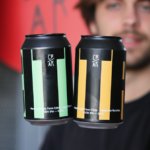
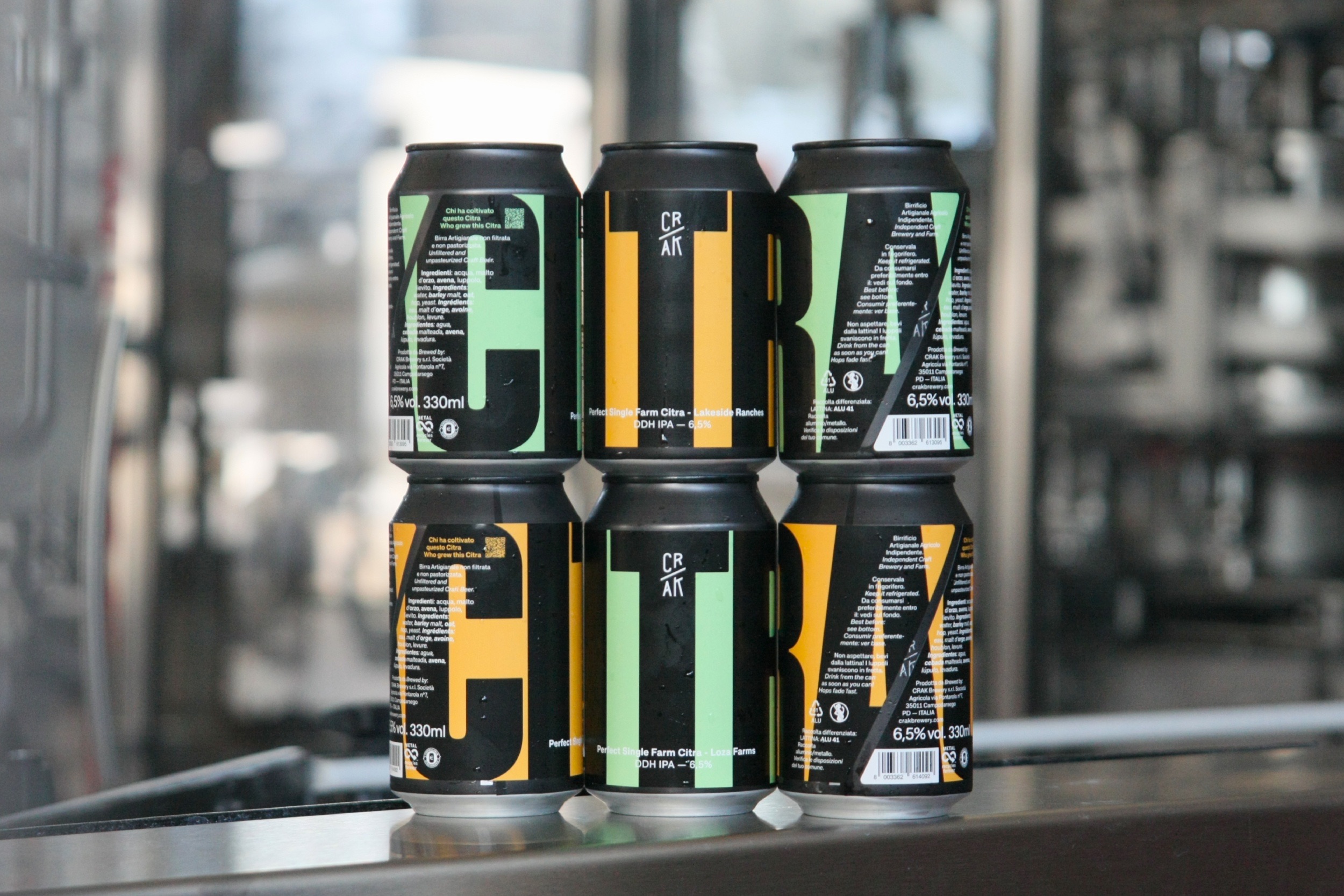
During our last hop selection, we were blown away by two different expressions of the same Citra grown in different terroirs. With these two Perfect Single Farm beers, you can experience the differences for yourself.
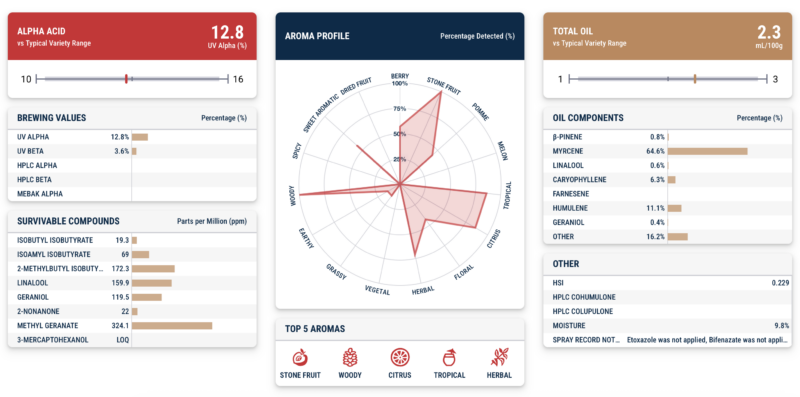
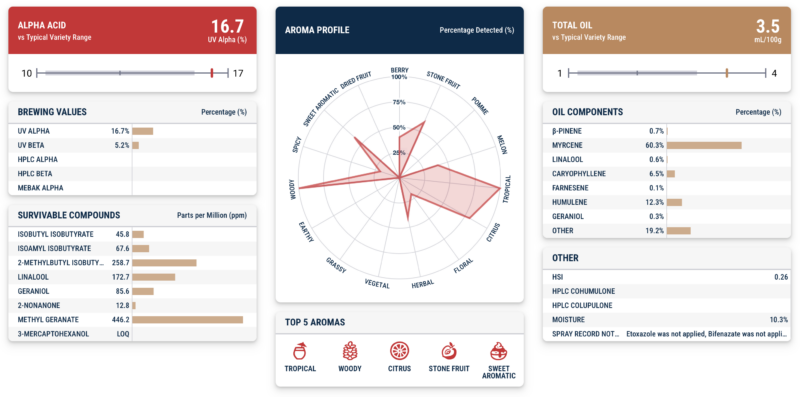
And if you’re not satisfied with just aroma and flavor but want the numbers too, here you’ll find the analysis of the two Citras—let’s see if your tasting confirms the data.